
For a decade, this site existed to document moments. Press credentialed access, the narrow strip of floor between the crowd barrier and the stage, hundreds of shows captured in photographs and writing — moments that lasted ninety minutes apiece and then dissolved back into memory. The work was always about being there when something happened and trying to hold a piece of it for whoever wasn’t.
The thing I have come to understand more clearly over the last several years is that the moments themselves are not the only things worth holding. The objects from those moments are still in the world. The guitar that was on the stage. The microphone that was in the studio. The costume that was on the music video set. They survive — sometimes by accident, sometimes by deliberate care — and a surprising amount of what shaped this generation of music is still reachable.
Rock Subculture was about the moments. Nostalgia Bandit is about the artifacts that survive them.
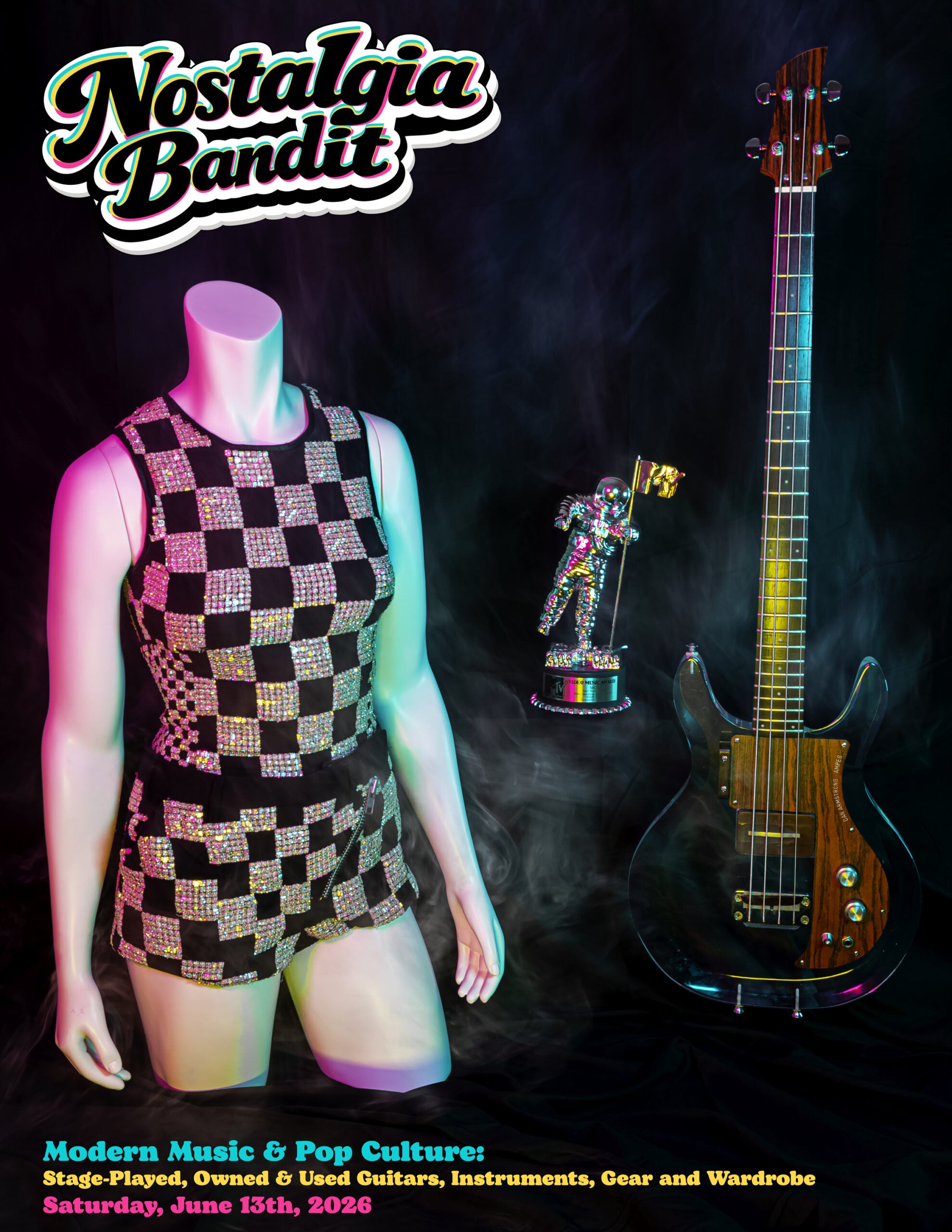
I am writing today to announce the launch of a new boutique auction house I have built from the ground up. The inaugural sale — Modern Music & Pop Culture: Stage-Played, Owned & Used Guitars, Instruments, Gear and Wardrobe — is open now and closes Saturday, June 13, 2026, at 10:00 AM Pacific.
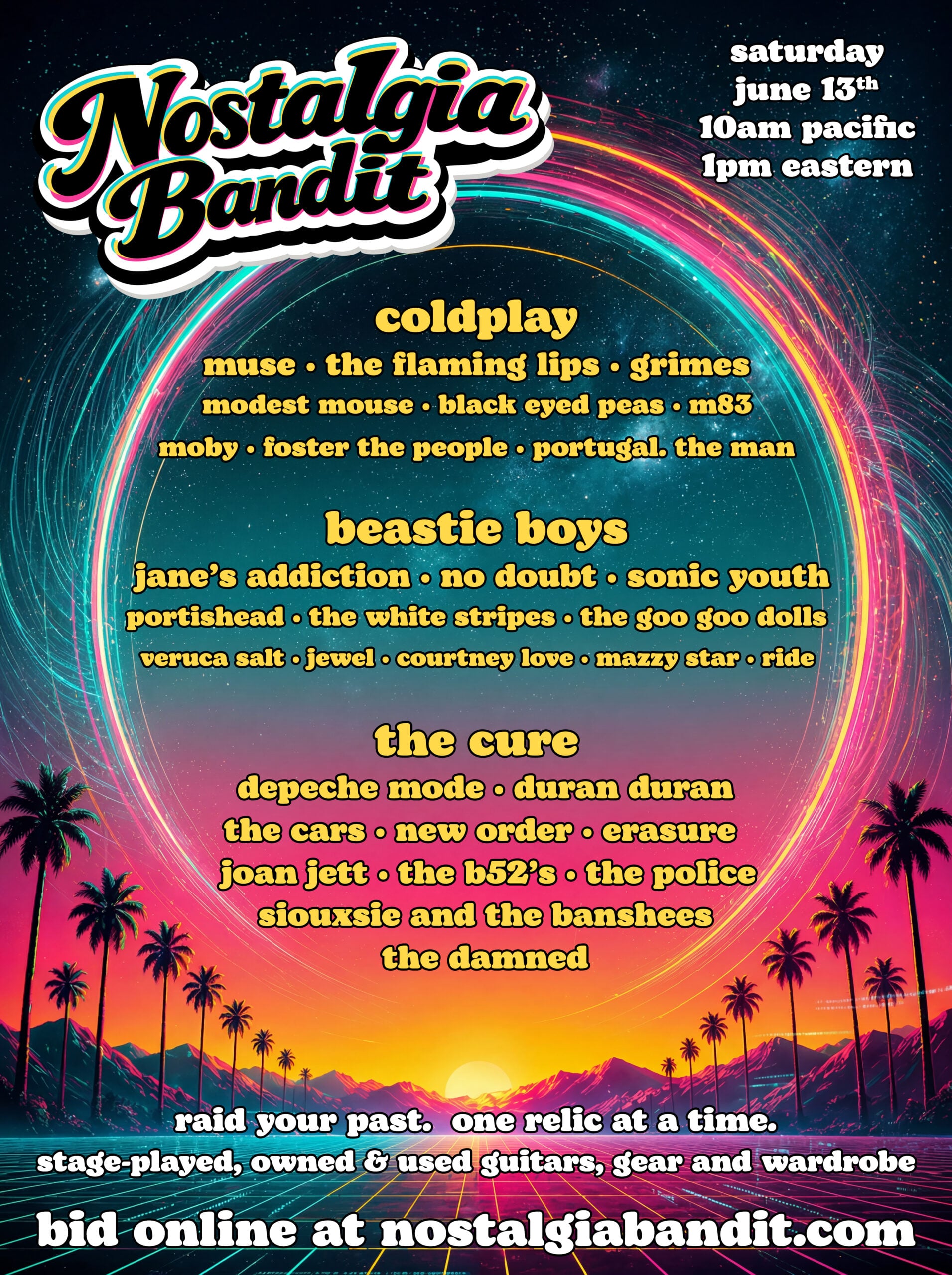
Ninety-six lots. The artists are exactly the ones this site has been writing about and photographing for over a decade: Coldplay, the Beastie Boys, the Cure, Muse, Jane’s Addiction, No Doubt, Sonic Youth, the White Stripes, the Goo Goo Dolls, Steve Stevens, the Cars, Siouxsie and the Banshees, Joan Jett, the Flaming Lips, Depeche Mode, Duran Duran, Grimes, the Black Eyed Peas, the B-52’s, Portishead, Ride, Mazzy Star, the Damned. Plus an MTV Video Music Award.
The thesis of the auction — and of the house — is that an entire generation of music has been culturally vivid for thirty or forty years without yet receiving the institutional preservation work that has been done for the canonical 1960s and 1970s artists. The major auction houses have decades of scholarship on the Beatles, the Stones, Elvis, Hendrix, and Dylan. The post-1980 era has not had equivalent infrastructure. As a category, contemporary music memorabilia is structurally where Beatles memorabilia was in the 1970s — full of objects with cultural weight whose market hasn’t yet caught up with their cultural reality. Stage-played instruments from the bands that defined alternative rock, post-punk, electronic, and indie music are still being lost, undocumented, or sold without proper provenance every week. Nostalgia Bandit exists in part to attach the recognition before the loss happens.
A specific philosophical frame the brand is built around: every artifact has a journey. It starts somewhere — a recording session, a stage, a music video shoot — and the moment it was used as it was meant to be used is the chapter most people know. But that’s not where the story ends. The object continues. Through tour cases and storage units, through guitar shops and estate sales, through hands that recognized what it was and hands that didn’t. Some artifacts make it through that interlude with their attribution intact. Many don’t.
Nostalgia Bandit exists for the ones that did — to authenticate them, document the full arc of where they’ve been, and place them with people who will write the next chapter responsibly. The buyer is never the end of the story. Just the next chapter.
A few lots I would flag for Rock Subculture readers specifically — pieces that intersect with artists this site has covered, photographed, or interviewed:
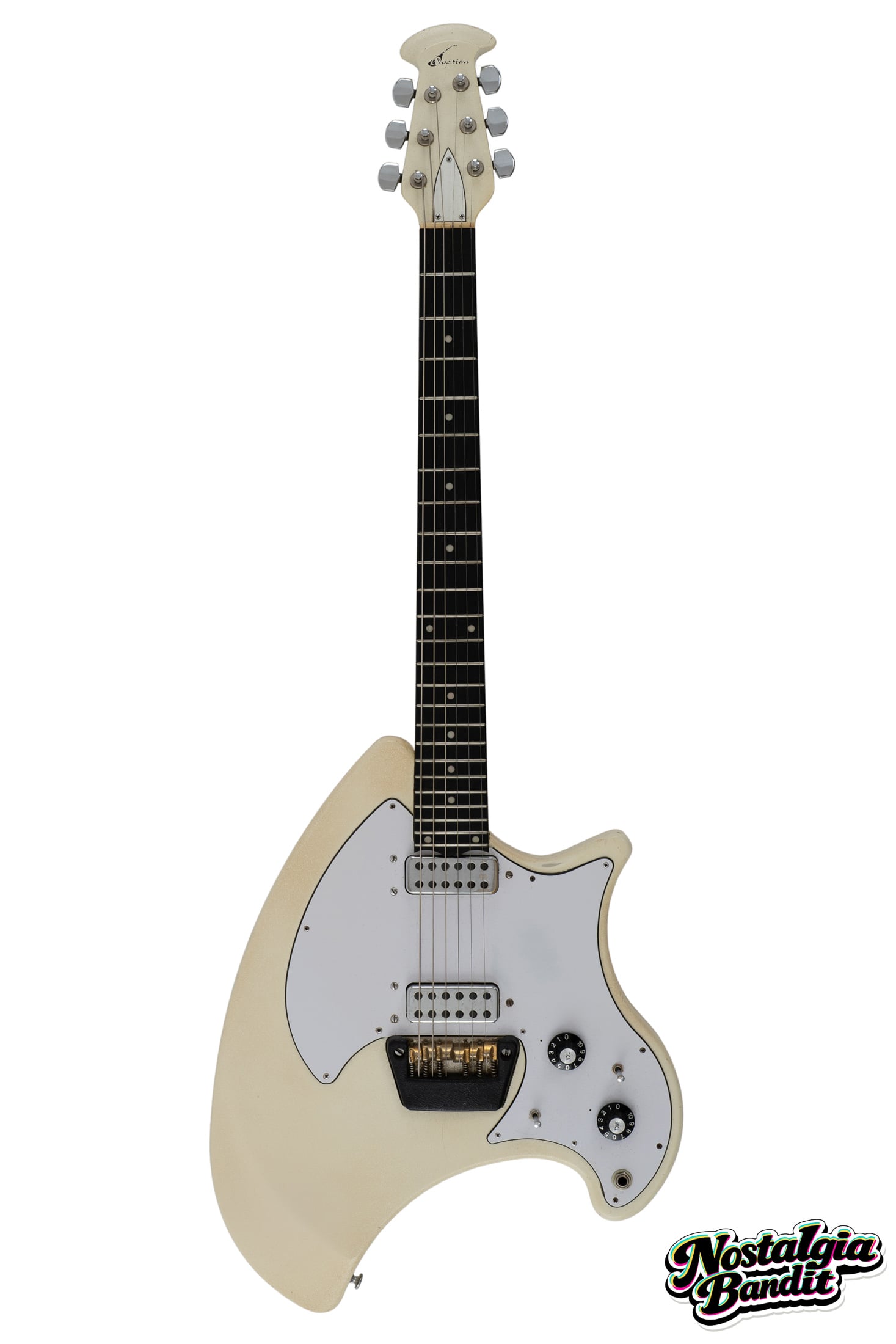
The Siouxsie and the Banshees Ovation Breadwinner (1979–1986) — purchased by the band in 1979 immediately after the abrupt departures of John McKay and Kenny Morris, used in the subsequent guitarist auditions including by Robert Smith of The Cure during his audition to serve as the Banshees’ touring guitarist on the Join Hands tour. Subsequently used in studio recordings by Steven Severin and Siouxsie Sioux. Documented on the covers of International Musician & Recording World (April 1986) and Guitarist (May 1986). Handwritten letter of authenticity from Severin. Robert Smith-played instruments are exceptionally rare in private hands; almost none have surfaced at auction.
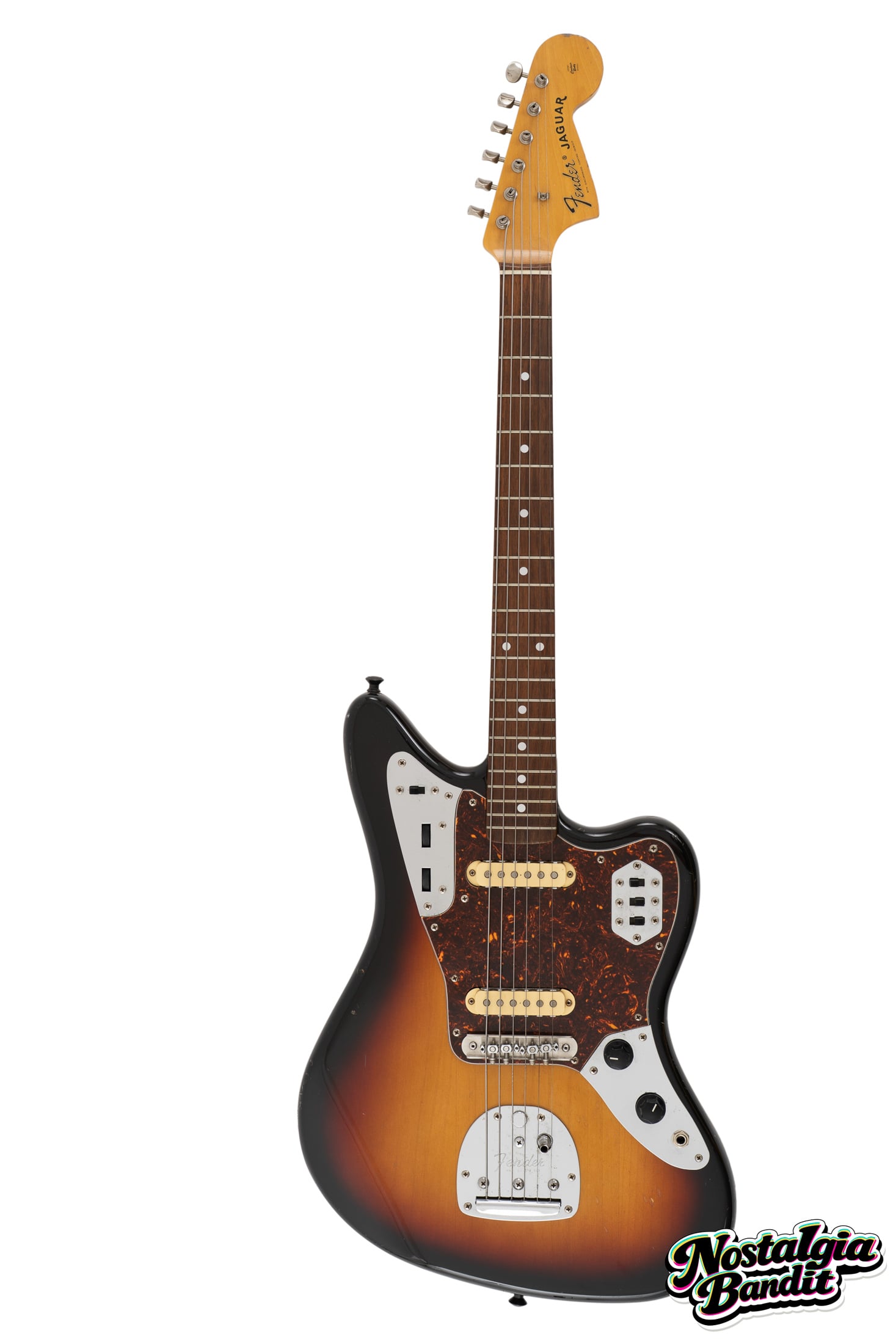
The Ride Fender Jaguar (1989–1992) — Mark Gardener’s stage-played, studio-used, and screen-matched 1987 Fender Jaguar from the Nowhere and Going Blank Again era. The shoegaze artifact lots in this catalog, including the Mazzy Star and Sonic Youth pieces, address a corner of the music industry that mainstream auction houses have essentially never touched.
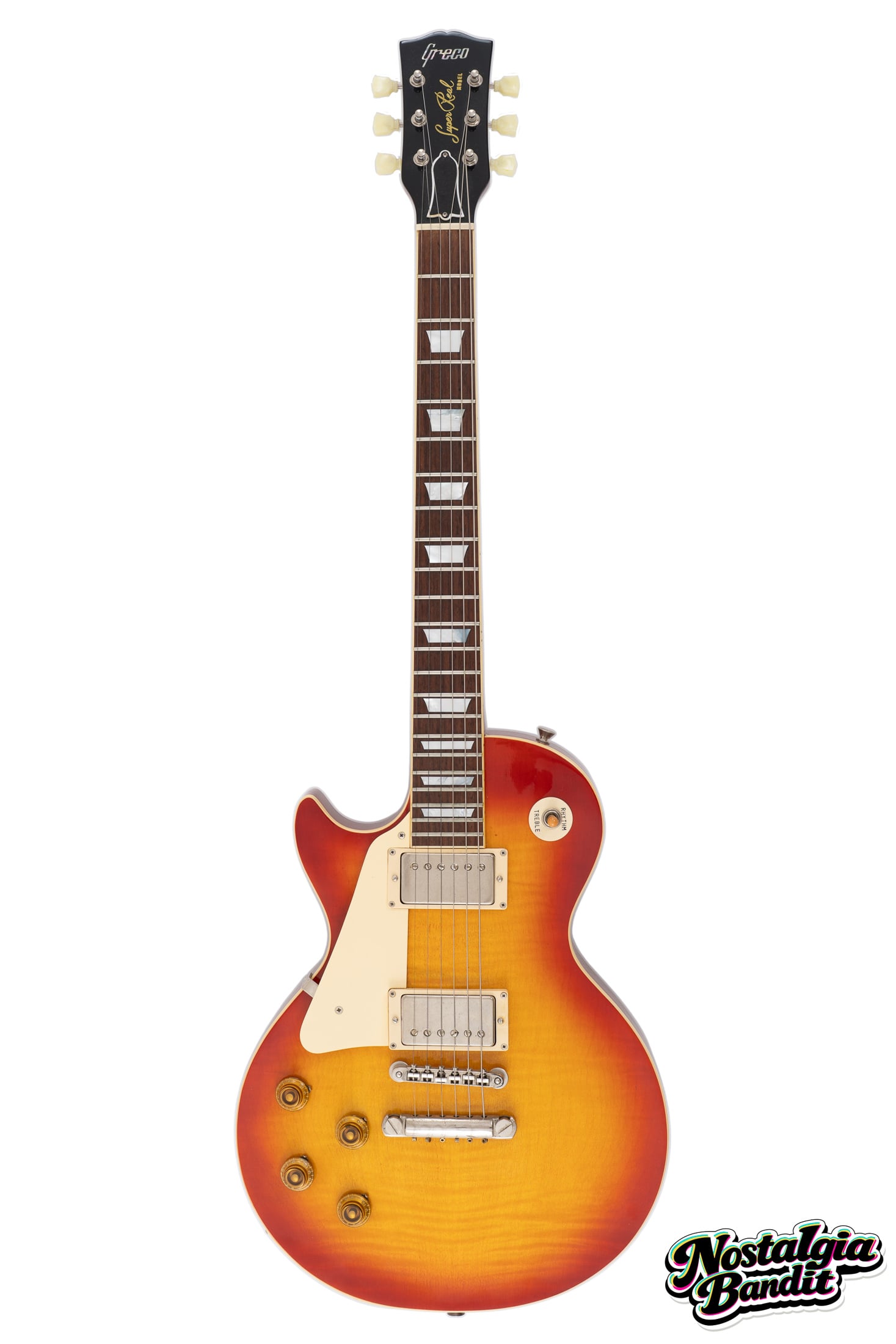
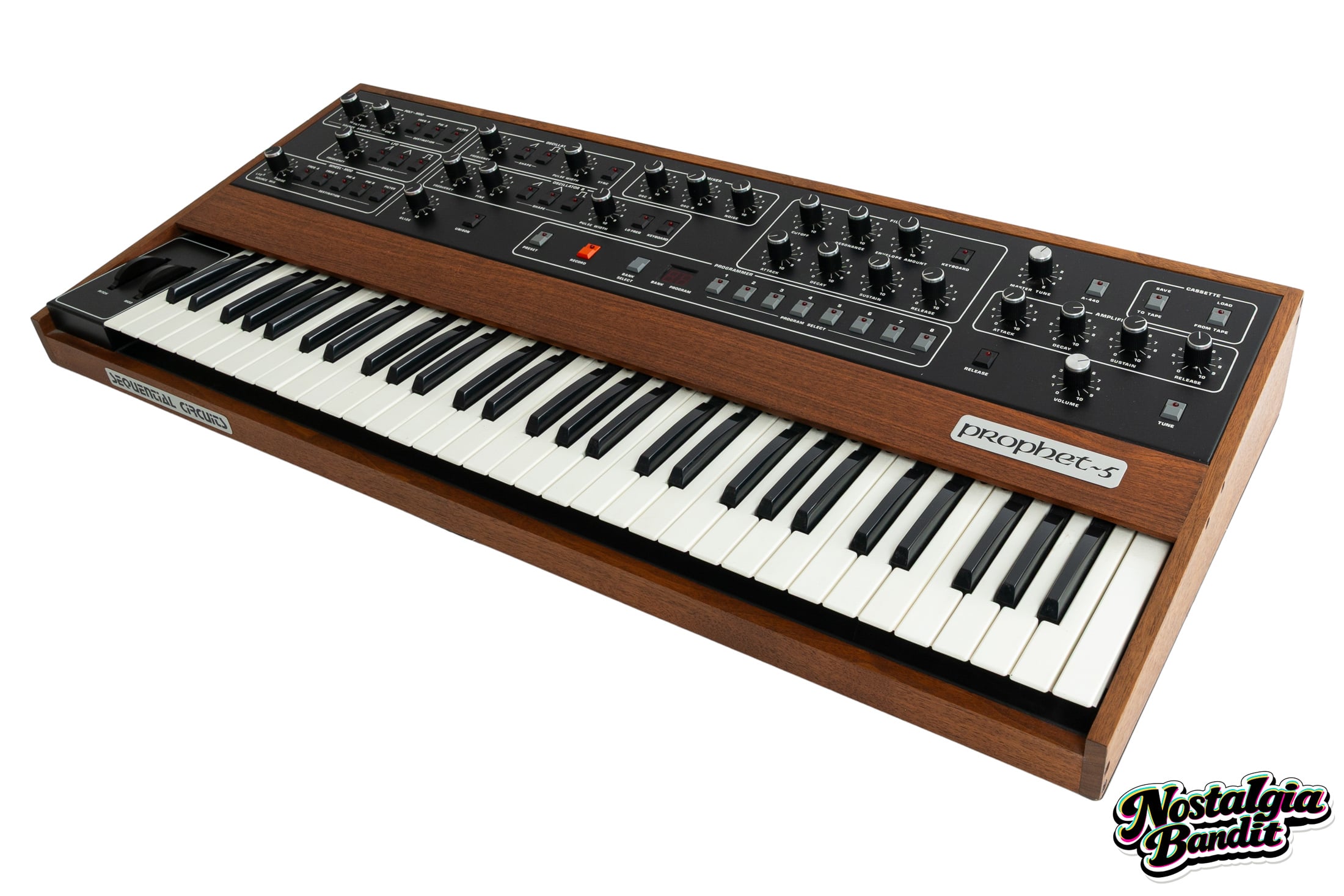
The Cars lots — Elliot Easton’s stage-played and photo-matched Greco EGF-1000 Super Real guitar (1980), and Greg Hawkes’ stage-played and studio-used Sequential Circuits Prophet-5 synthesizer (1979–1984). Two pieces from a band whose contribution to American new wave has been quietly under-documented in the memorabilia market.
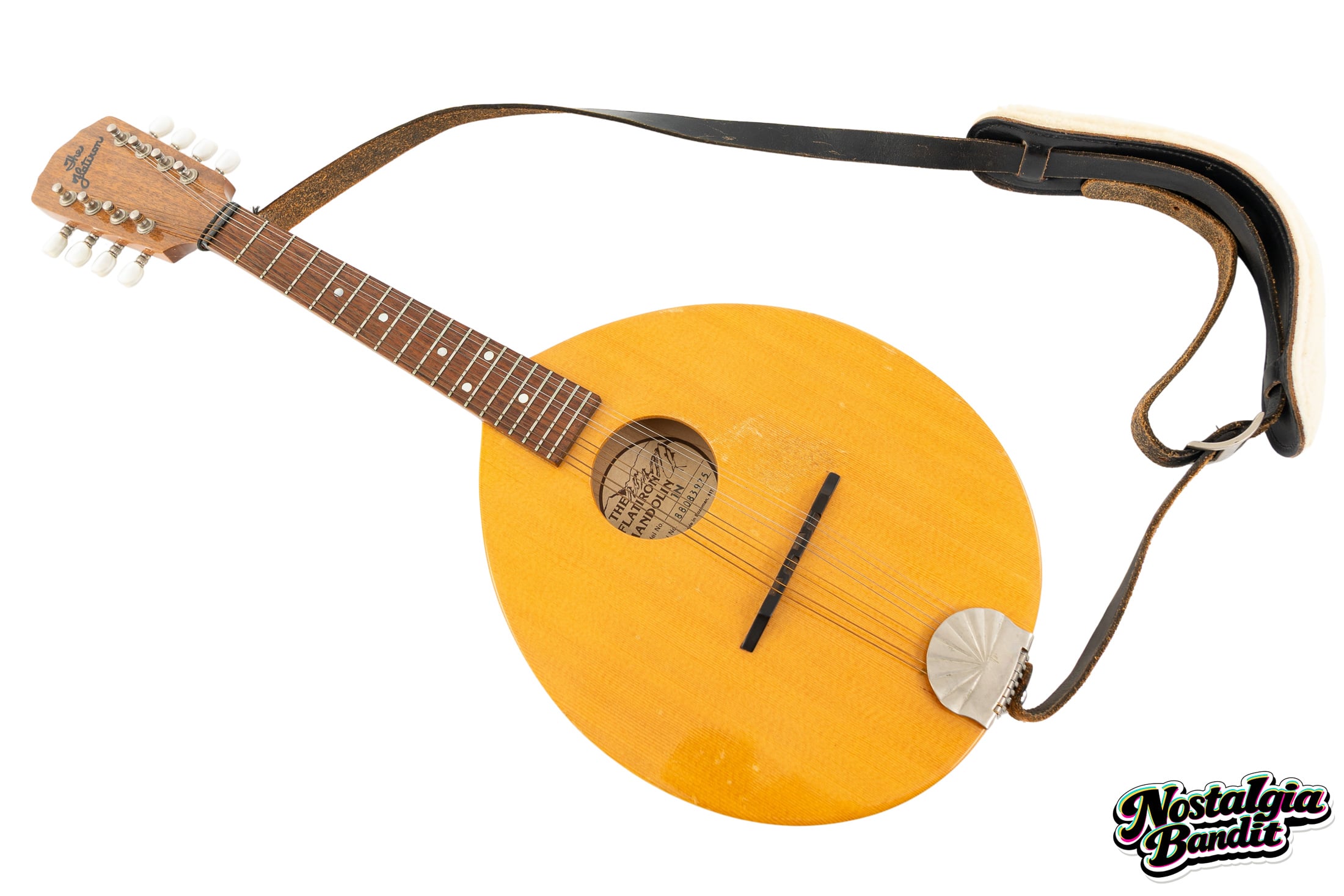
The Goo Goo Dolls Flatiron mandolin used to record “Iris” (1998) — Tim Pierce’s session mandolin, with signed LOA from Pierce and full session story on camera from producer Rob Cavallo.
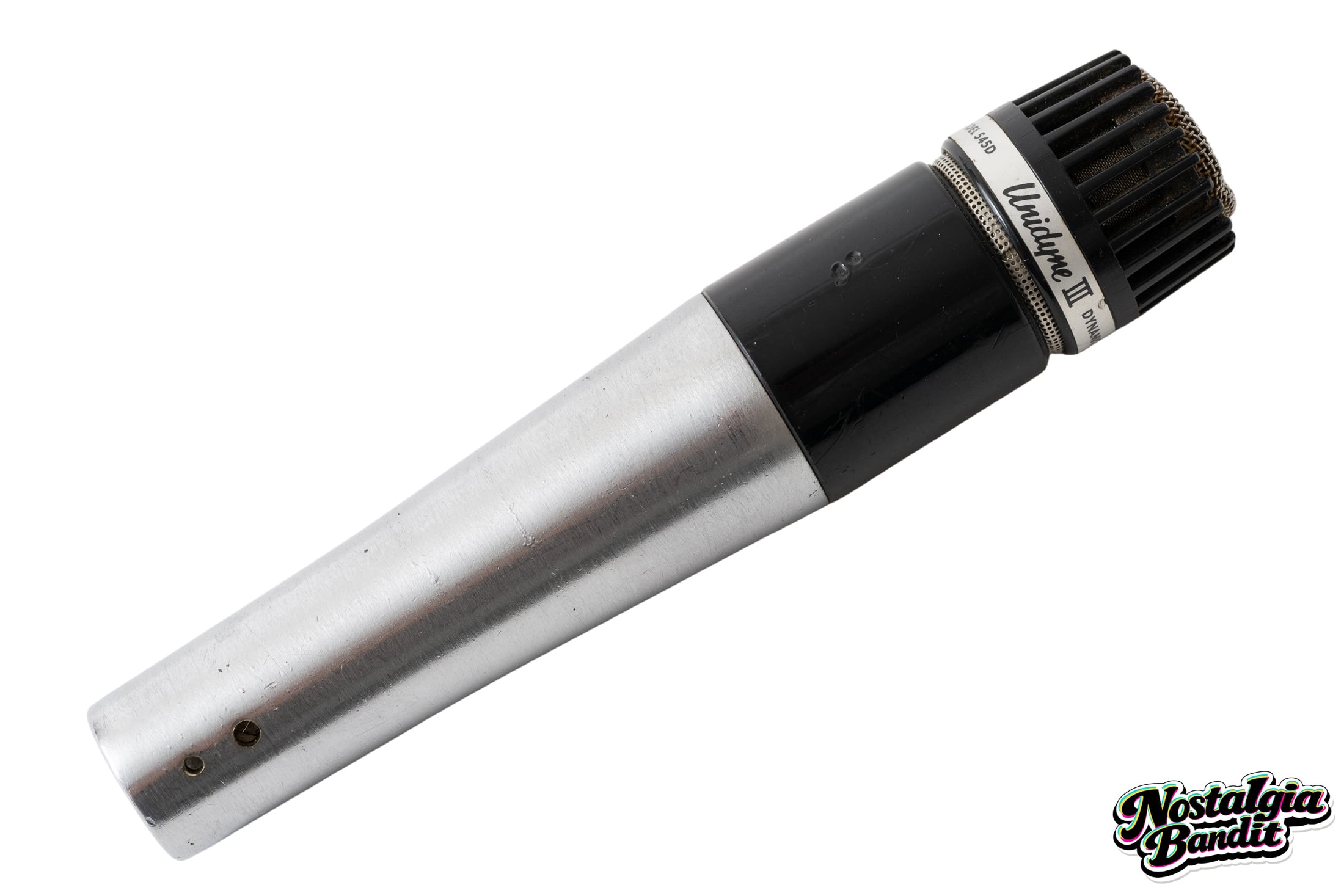
The Jack White studio-used Shure microphone from Elephant (2002–2003) — one of four S4SDs used at Toe Rag Recording Studios, confirmed in a signed handwritten letter from engineer Liam Watson on studio letterhead.
The full catalog is available at nostalgiabandit.com — including a 364-page perfect-bound print edition, free PDF download, and native iOS and Android bidding apps. Bidding is open now to registered collectors worldwide.
For any Rock Subculture readers who have spent time on this site over the years and want to talk through specific lots before bidding, the email address is [email protected]. I read it personally.
The artifact has a history. You have the memory. Now you can write the next chapter.
— Jason DeBord